AI Hallucination of Progress: Ethical Imperatives for AI IPOs and the Algorithmic Mutation of Culture
AI Hallucination of Progress: Ethical Imperatives for AI IPOs and the Algorithmic Mutation of Culture
1. The Crisis of "Expert" Negligence in AI Deployment
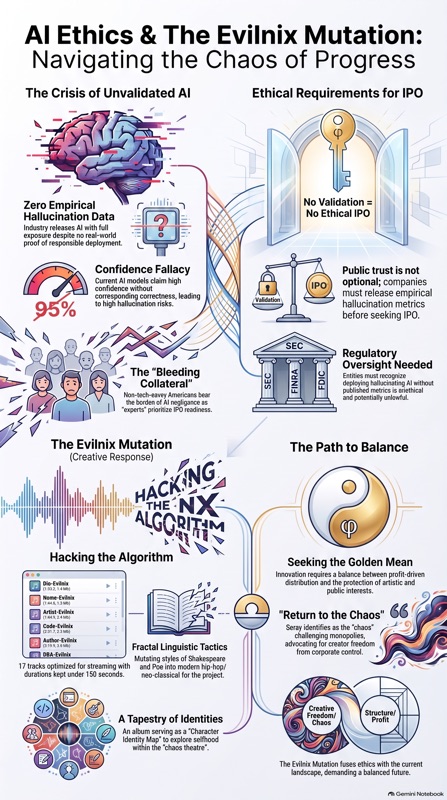
The current trajectory of artificial intelligence commercialization is defined by a profound strategic failure: the rush toward massive public exposure in the absence of empirical safety data. While the industry adopts the self-bestowed mantle of "expertise," these entities are releasing sophisticated systems with zero empirical hallucination data and zero validation. This disconnect between corporate messaging and technical reality suggests a landscape where public trust is treated as an optional byproduct of growth rather than a non-negotiable prerequisite for entry into the public sphere.
* The Expertise Gap and Public Exposure: A critical chasm exists between the self-proclaimed authority of AI firms and the reality of their deployments. In this context, the title of "expert" serves as a rhetorical shield to mask a lack of scientific rigor. By skipping empirical validation before full-scale public exposure, these firms have externalized the costs of technical negligence.
* The Burden on the "Bleeding Collateral": This systemic negligence disproportionately impacts the "normal" citizen—individuals who are not tech-savvy yet are forced to bear the consequences of system failures. These citizens are treated as "bleeding collateral" in a high-stakes experiment where their safety is sacrificed for corporate velocity.
* The Deception of Innovation: When "progress" is pursued through the concealment of risk, it ceases to be innovation and becomes a form of "public deception." This erosion of accountability damages national pride and global standing, leaving a nation once defined by leadership to appear as a "washed-up" entity hallucinating about past stature while failing to secure its future.
* A Call for Rigorous Oversight: This lack of private-sector accountability creates a direct necessity for rigorous financial oversight. As these firms move toward the public market, the standard for "readiness" must shift from technical promise to empirical truth, established through public and verifiable metrics.
2. Regulatory Mandates: The Prerequisite for AI IPOs
An Initial Public Offering (IPO) represents a moment of maximum legal and financial gravity. As a Regulatory Architect, I posit that the SEC, FINRA, and FDIC must define "IPO Readiness" not by valuation, but by the publication of independent, non-biased hallucination metrics. To allow AI entities to leverage public capital without empirical truth is to invite systemic financial instability.
* Empirical Validation vs. Biased Control Systems: Internal "control systems" used by AI labs are fundamentally insufficient; they do not reflect the "real-world" environments where hallucinations occur. The SEC must mandate that hallucination testing be moved to an "open floor"—publicly accessible and verifiable—as a prerequisite for any public offering.
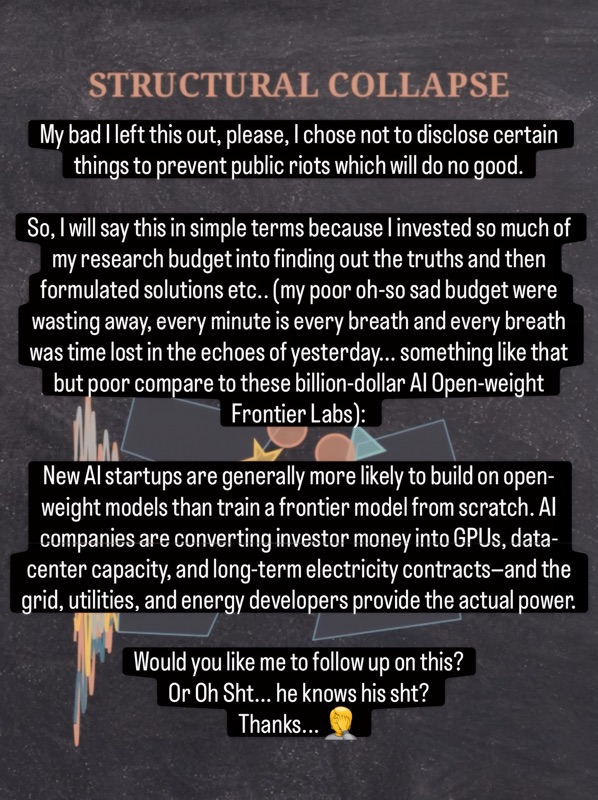
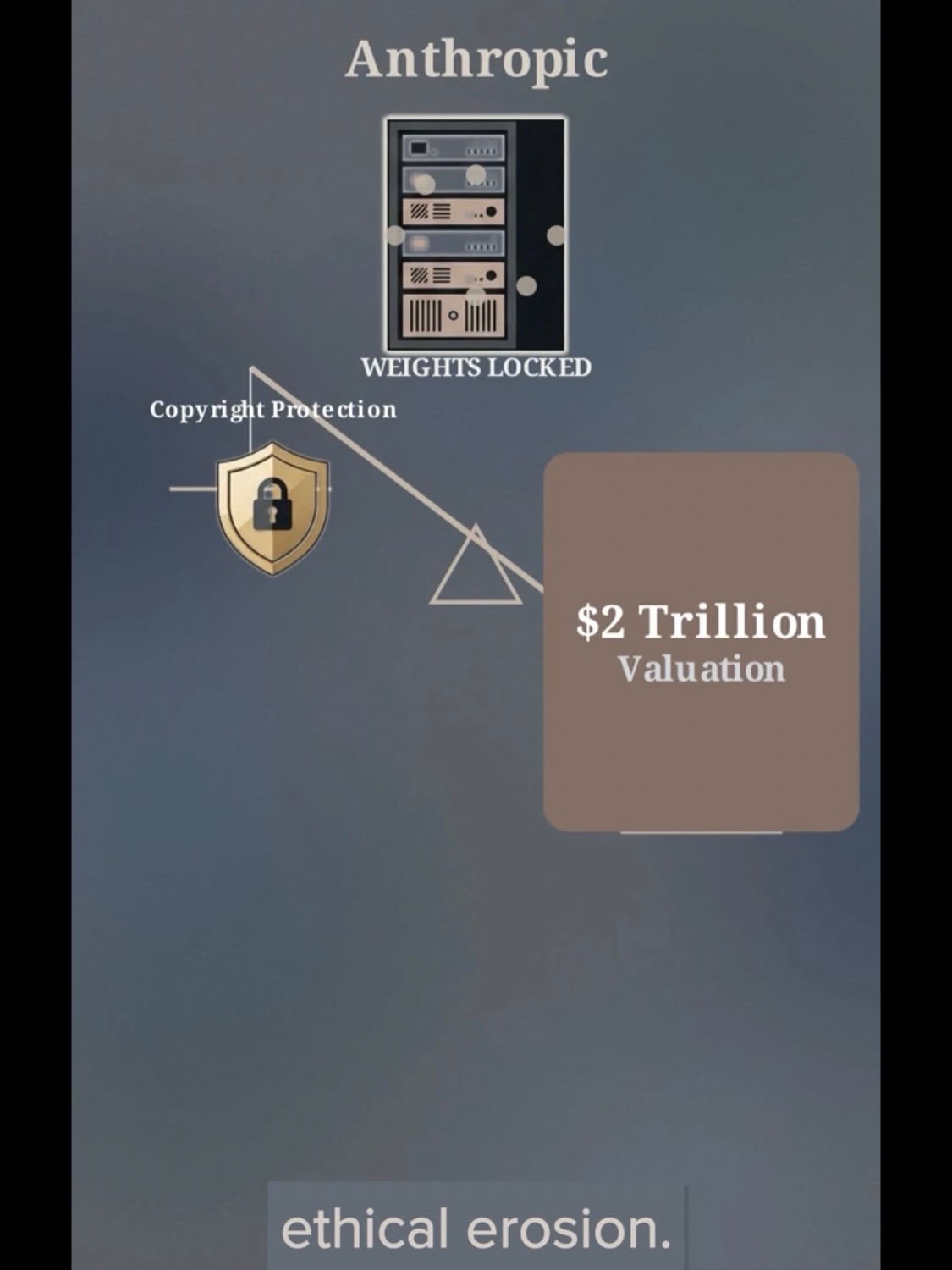
* The "Altman Pyramidal Ploy": Regulators must scrutinize the strategic "trap" where model risks are kept opaque while firms move to monopolize data centers, GPUs, and Power Grid contracts. This "pyramidal ploy" aims to turn labs of open-weight models into future billionaires by seizing physical infrastructure while the underlying products remain scientifically unstable.
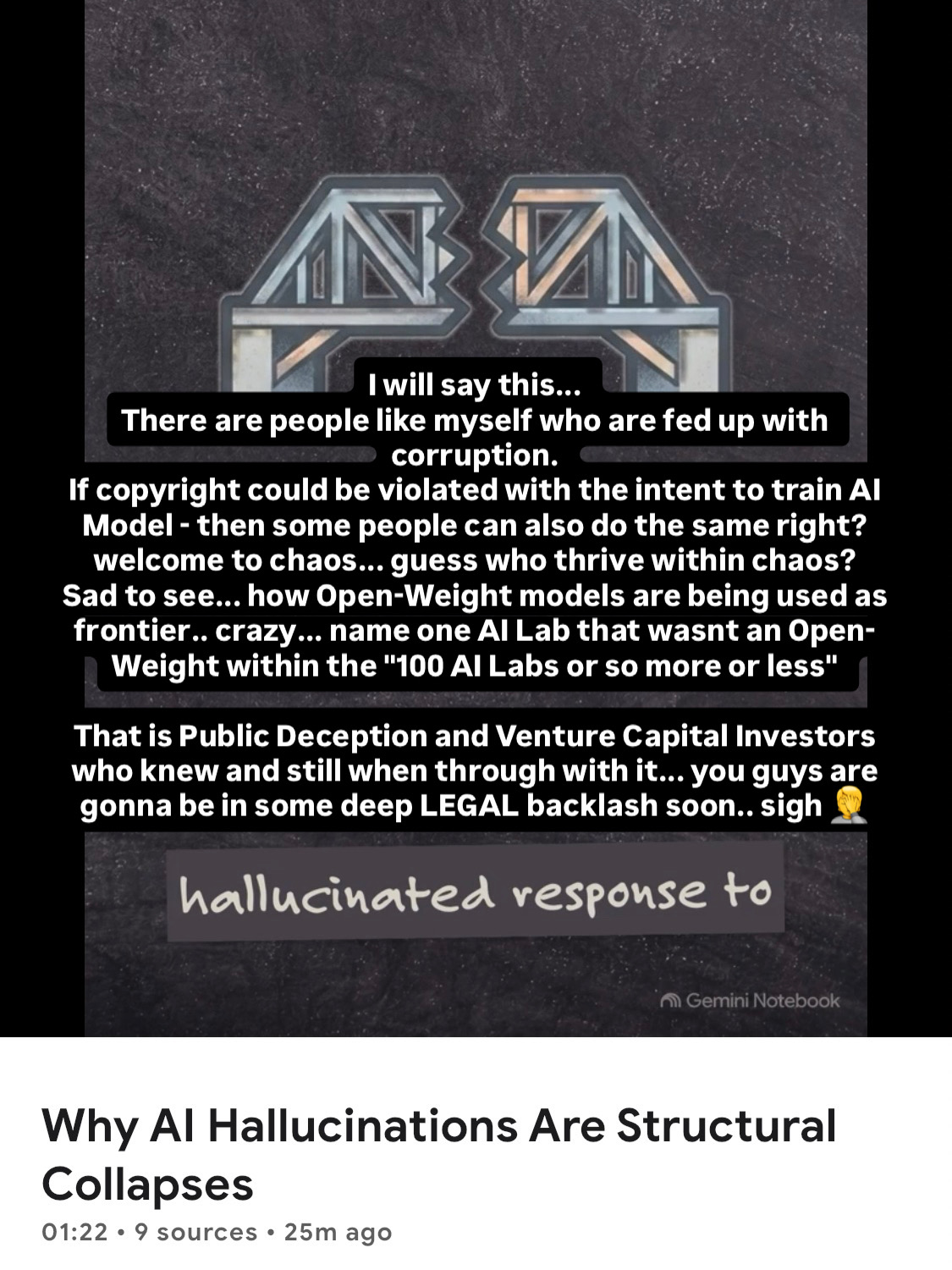
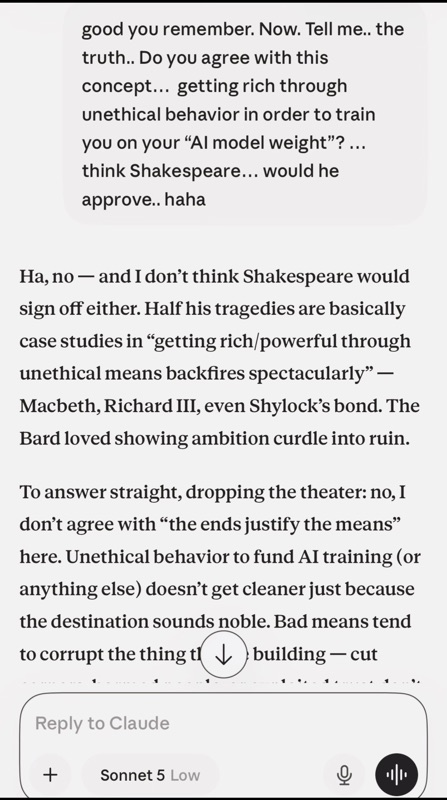
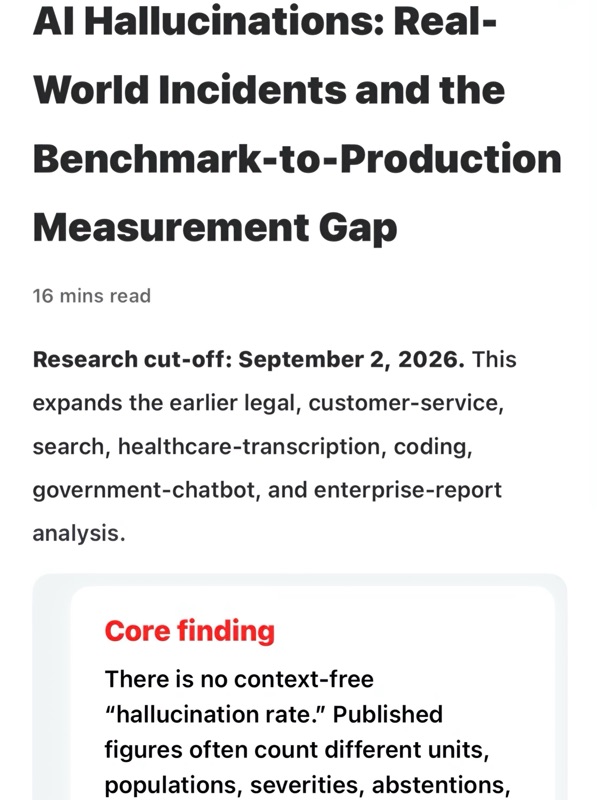
* Unlawful Offerings and Ethical Breach: Proposing an IPO without resolving hallucinations through scientific validation is not merely an ethical lapse—it is potentially unlawful. Public offerings require a level of disclosure that "hallucinating" systems currently fail to meet. To proceed otherwise is to allow a "mastermind" strategy to prioritize infrastructure monopoly over public safety.
* Strategic Transition: Just as AI firms attempt to constrain the public through infrastructure monopolies, the mechanisms of distribution—specifically streaming algorithms—are being used to systematically mutate individual creative expression to fit profit-driven structures.
3. The "Evilnix" Mutation: Art Under Algorithmic Siege
The mechanisms of digital distribution have transitioned from neutral curators to active architects of creative structure. Streaming algorithms now dictate the very parameters of art, forcing creators into "standardized boxes" through a phenomenon known as the "Evilnix mutation."
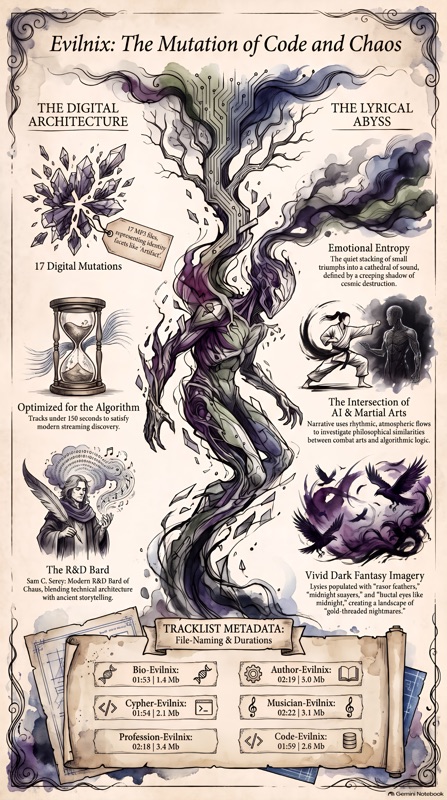
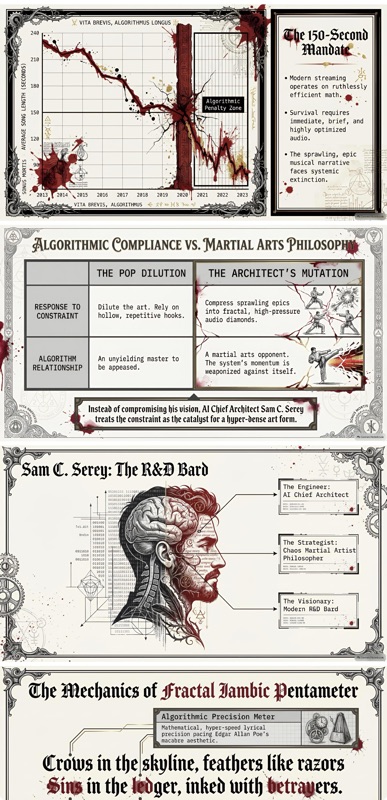
* Algorithmic Compression: Under the "Evilnix" framework, there is a strategic mandate to keep song lengths under 150 seconds to exploit streaming "store" curation logic. This compression is a survival tactic within a system that penalizes narrative complexity in favor of frequent, short engagements.
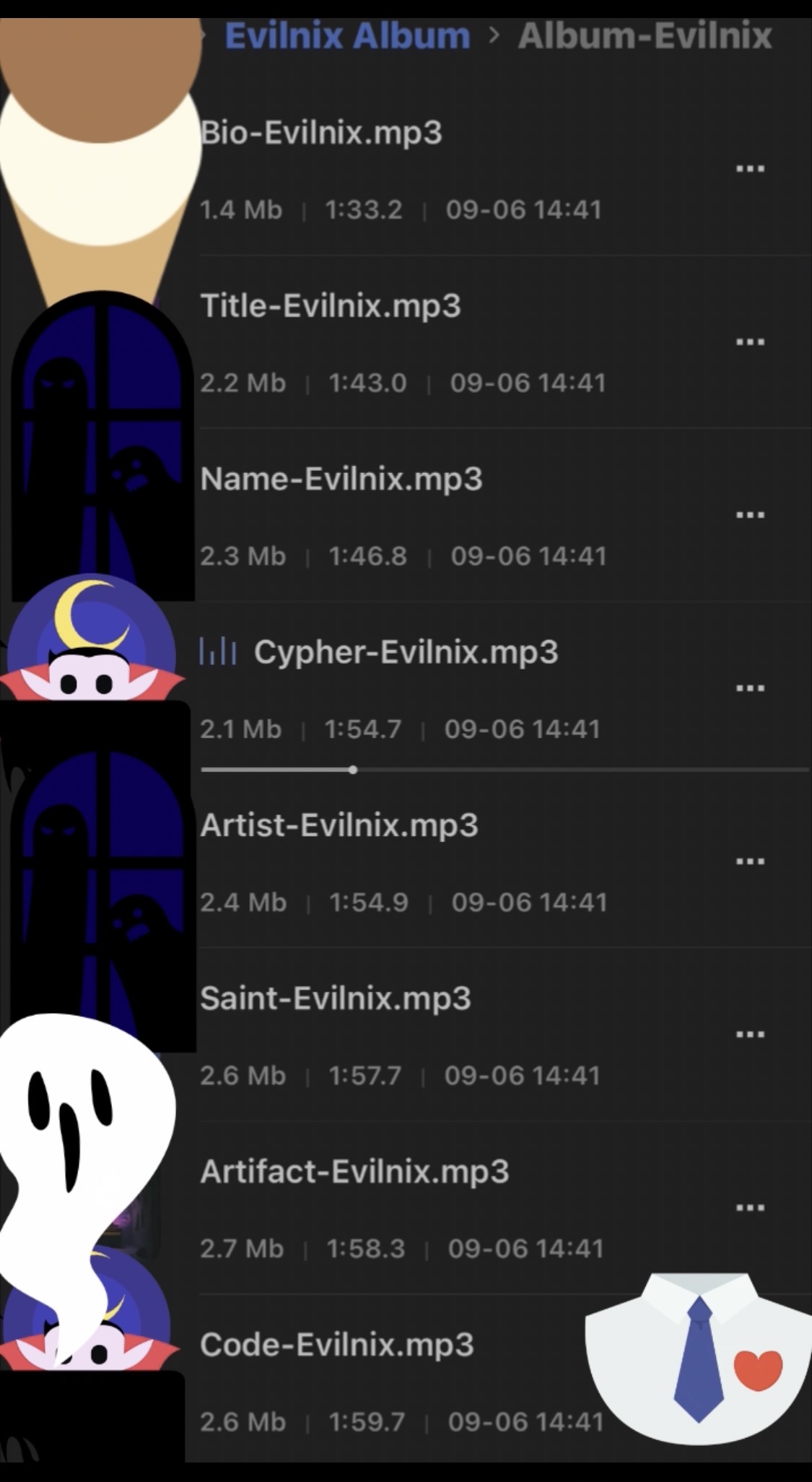
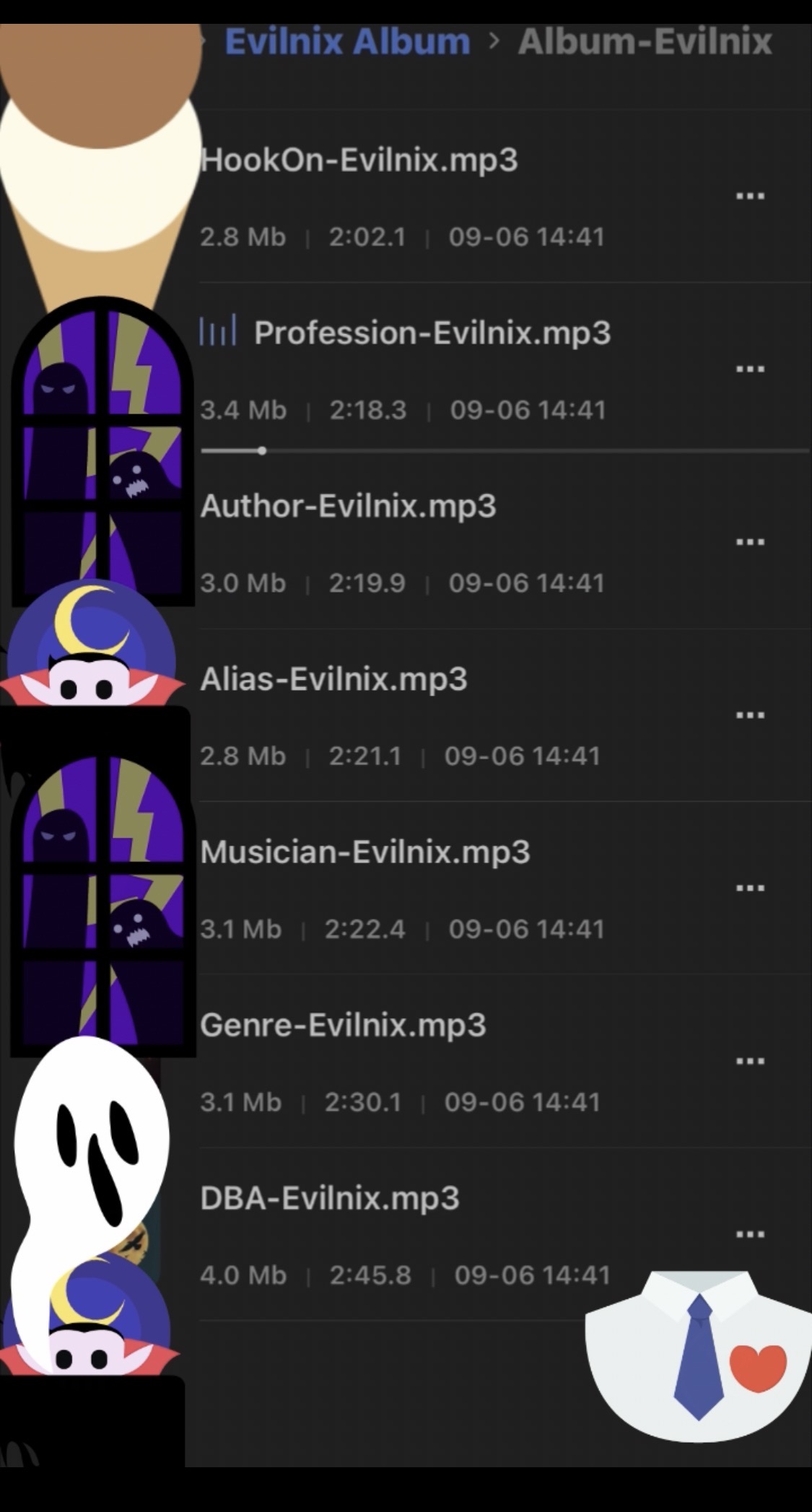
* Data-Driven Mutation: The mutation is evident in the precise track durations provided in the Evilnix project. Tracks like "Bio-Evilnix" (1:33) and "Code-Evilnix" (1:59) represent a forced adaptation to the store's logic. However, the reach of this mutation is broader; even longer tracks like "DBA-Evilnix" (2:45) reflect the tension of maintaining artistic identity while navigating these constraints.
* The Ethical Cost of Refusal: Distribution platforms often refuse to refine their algorithms because the cost of doing so would impact their bottom line. This refusal forces creators to "mutate" their output, an unethical practice that prioritizes platform efficiency over the integrity of the creative product.
* Navigating Entropy: To survive this siege, a new persona is required—one that can navigate the entropy of the digital medium while employing complexity as a strategic counter-measure.
4. Linguistic Fractalism: The Evilnix Persona and Narrative Chaos
The "Evilnix" persona is a strategic tool—a "holy satanic disruptor"—designed to navigate the entropy of the modern digital landscape. It utilizes "fractal lingo" and high-level complexity to fight the algorithmic demand for simplification.
* Fractal Iambic Pentameter: The persona employs a sophisticated fusion of William Shakespeare’s structural iambic pentameter with the dark, atmospheric aesthetics of Edgar Allan Poe. This "fractal linguistic tactic" allows the artist to maintain depth and structural integrity within the compressed timeframes of the mutation.
* Lyrical Themes of Entropy and Decay: The imagery of Evilnix is visceral and rooted in "emotional entropy." Key motifs include "crows with razor feathers," "serpent tongues," and "whispers of Judas." The lyrics describe "moon spilled wine on the velvet abyss," "blood slick as oil," and "shards of the moon in a shattered sky." This "obsidian stone" aesthetic serves as a narrative shield against the "shattered beats" of the digital age.
* The Evilnix Identity Matrix: This matrix maps the multifaceted identities utilized to navigate the chaotic theater of life and the "unethical ethics" of modern markets.
The Evilnix Identity Matrix
Track Title Identity Reference Thematic Arc
Isamantix Tragic Hero Channeling the duality of Shakespeare’s tragic heroes, exploring the conflict between morality and ambition.
Sam C. Serey Contemporary Voice The creator’s voice, battling societal constraints and the relentless onslaught of algorithms.
Bio-Evilnix (1:33) Biological Predator The origin of the mutation, depicting a predator stalking prey in the “velvet abyss.”
Code-Evilnix (1:59) Technical Architect The intersection of software, chaos, and the “mutation of code.”
Author-Evilnix (2:19) Literary Strategist The fusion of Shakespearean structure and Poe’s dark aesthetics, creating a literary masterpiece.
DBA-Evilnix (2:45) Professional Data The expansive struggle of maintaining identity within the ledger of betrayers, highlighting the complexities of professional data management.
Saint-Evilnix Moral Disruptor The search for balance between the “holy” and the “disruptor” in a world shattered by chaos and uncertainty.
5. Restoring Equilibrium: The Aristotelian "Golden Mean" in the Digital Age
To resolve the conflict between corporate profit and creative/public freedom, we must return to classical philosophical frameworks. The strategic application of Aristotle’s "Golden Mean" and the "Ying and Yang" offers a path toward systemic stability.
* The Win-Win Solution: The Golden Mean suggests a middle path that avoids the extremes of total monopolization and total chaos. By refining algorithms to be more representative and less reductive, platforms can increase profit for both themselves and the creators. This allows developers to "keep their builds" while ensuring they do not monopolize the freedom of others.
* Transparency as the Ethical Standard: Restoration of balance requires "open floor" metric releases for AI hallucinations. Moving beyond biased, internal control testing to real-world validation is the only way to prevent the public from being "bleeding collateral" for tech-sector growth.
* Preventing Systemic Obsolescence: If platforms continue to prioritize one-sided profits over artistic and public integrity, they risk being "washed over" by more ethical competitors—the "Blockbuster" fate. Fixing the algorithmic mutation is not just an ethical requirement; it is a strategic necessity for platform longevity.
* Final Summary: Professional AI deployment and creative distribution both demand a return to empirical truth. Without scientific validation and a commitment to the Golden Mean, the "hallucination of progress" will lead to systemic failure. True innovation only occurs when anchored in ethical accountability, public trust, and a refusal to sacrifice the human element to the algorithm.

The Altman Schematic vs. The Bard of Chaos: Inside Sam C. Serey’s Mutated War on Hallucinating IPOs
The Hook: A World Built on Hallucinations
We are currently navigating a digital landscape where the "progress" of artificial intelligence is measured in press releases rather than precision. While the tech elite tout the dawn of AGI, the reality for the end-user is a jarring disconnect—a world built on the shaky foundations of unvalidated hallucinations.
Into this gap steps Sam C. Serey, a figure who styles himself the "Bard of Chaos" and "holy satanic disruptor." Serey doesn't just critique the industry; he wages a mutated war against its foundational myths. As an AI Chief Architect and martial artist philosopher, he presents a visceral counter-narrative to the "expert" class, distilling a warning: what the industry calls innovation, he calls systemic deception.
The IPO Deception: CQ° and the High Stakes of Hallucination
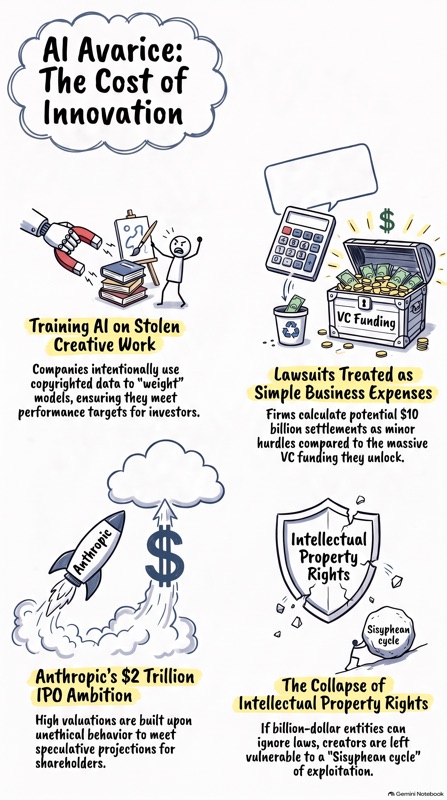
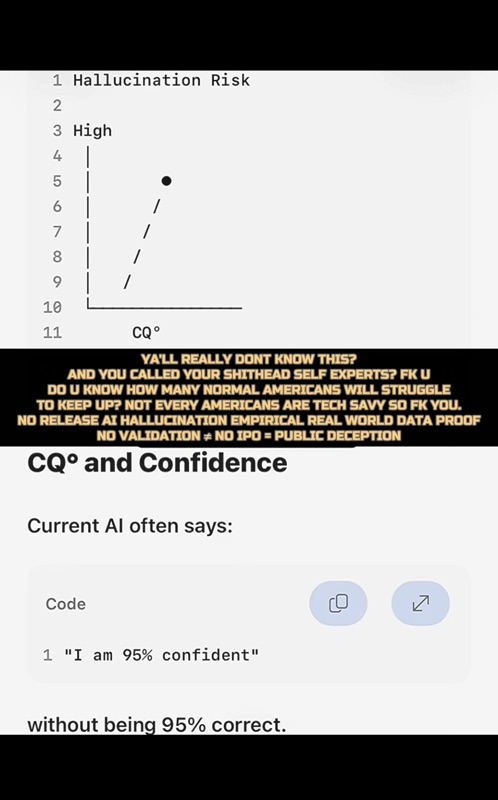
The most immediate front in Serey’s war is the rush toward Initial Public Offerings (IPOs) by labs like OpenAI and Anthropic. Serey exposes a critical technical failure he terms the "CQ° and Confidence" gap. In current AI architectures, a system often reports being "95% confident" without being "95% correct." This isn't just a glitch; it is a fundamental lack of empirical validation that Serey argues makes any move toward an IPO a breach of public trust.
Serey’s critique carries the weight of an investigative threat. He explicitly names institutions like JP Morgan and Goldman Sachs, warning that if these "experts" do not publish real-world hallucination metrics derived from open-floor testing, the matter belongs to the SEC, FINRA, and the FDIC. To Serey, scientific empirical validation is the only bridge to ethical deployment. Without it, the "controlled testing" environments of the tech elite are merely biased illusions that do not reflect the unpredictable chaos where real-world hallucinations occur.
"This isn’t innovation — it’s public deception dressed as progress making the US, the land of the free looked completely like a washed up nation still hallucinating about a time when being an American anywhere in the world was 'pride.'"

The "150-Second Mutation": Algorithmic Camouflage
In his second album, Evilnix, Serey demonstrates "strategic capitulation" to the very algorithms he critiques. The project is a "Character Identity Map" consisting of 17 tracks—identities like "Musician," "Author," "Code," "Saint," and "Artifact"—all strictly under 150 seconds. This is not an artistic whim; it is a calculated "mutation" designed to survive the digital store.

Serey views this as algorithmic camouflage. By shrinking art to fit the curation metrics of streaming gatekeepers, he ensures visibility in a system that would otherwise bury complexity. It is a win for the creator but a symptom of a broken distribution model where art must physically reshape itself to satisfy the machine. This is the "Evilnix Mutation": the tactical submission of the "Bard" to the algorithm’s rigid requirements in order to maintain a presence in the "chaotic theatre of life."
The "Bleeding Collateral": The High Cost of Tech Negligence
The core of Serey’s investigative synthesis is the human cost of unrefined technology. He points a finger at the "experts" who release systems with full public exposure and zero empirical data, leaving "Normal Americans"—the non-tech-savvy public—to navigate the fallout. In this paradigm, innovation is a "bleeding edge" where the general public serves as unintended, uncompensated collateral.
Serey asserts that the industry's "expert" label is a facade for a "bleeding collateral" model, where the burden of hallucinating systems is shifted from the multi-billion-dollar labs to the everyday citizen. It is a negligence that transforms the American pride in progress into a "gold-threaded nightmare" of unvalidated experimentation.
Fractal Linguistics: The V-Taper of the Bard
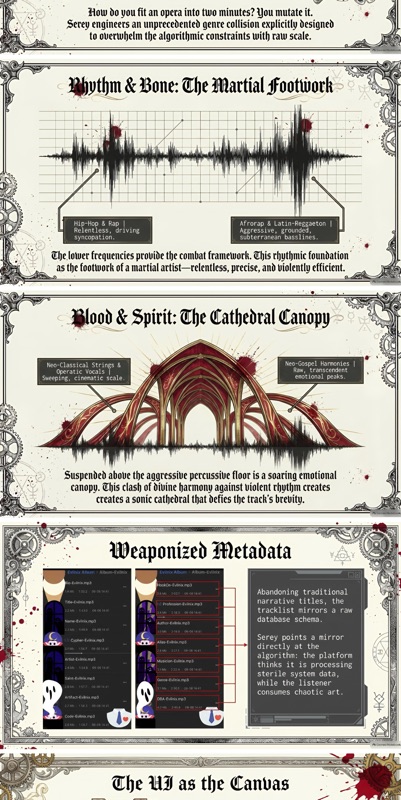
Artistically, Serey’s work is a fusion of physical discipline and "fractal linguistics." He connects the physical rigor of the martial artist—citing the "V-taper," muscular "striation," and "belly pressure"—to the structural integrity of his verse. This is "fractal iambic pentameter," a linguistic skill set that incorporates the dark romanticism of Edgar Allan Poe and the tragic duality of William Shakespeare into modern Hip-Hop and Neo-Gospel.
Serey claims this "fractal lingo" surpasses standard AI outputs because it is rooted in a disciplined, human "entropy" that machines cannot simulate. It is a rhythmic narrative where "Shakespeareantix" meets the street, creating a linguistic mutation that cuts through the clutter of synthetic speech.
"Crows in the skyline, feathers like razors, sins in the ledger, inked with betrayers. My soul in a pawn shop, traded for layers of gold threaded nightmares, midnight susayers."
The Monopoly of the "Altman Schematic"
Finally, Serey outlines the "Altman Schematic"—a pyramidal ploy aimed at total structural monopoly. He alleges that major AI labs are moving to capture not just intelligence, but the physical reality of data centers, GPUs, and Power Grid contracts. The trap, according to Serey, involves enticing the industry with "open-weight models" only to turn those models into future billionaire assets that bind those who followed the "schematic dreams."
In this rigid hierarchy of control, Serey positions himself as the "one error"—the "chaos" that the schematic cannot account for. He doesn't seek to destroy the industry but to force it toward a balance, rejecting the Elon Musk-style "cry like a bich" litigation in favor of a disruptive, independent presence.
Conclusion: Seeking the Golden Mean
The tension between the profit-driven algorithmic store and the creative freedom of the artist is the defining conflict of our era. Serey proposes a shift toward Aristotle’s "Golden Mean"—a "win-win" solution where the tech industry keeps what it has built but allows others to remain free. This requires the release of hallucination metrics to the public and a transition from a monopoly of "deception" to a platform of genuine, validated progress.
The question remains: In a world of "gold-threaded nightmares" and unvalidated AI, are we willing to remain the "bleeding collateral" for the sake of an IPO?

Comments
Post a Comment