FTC + SEC + FDIC + FINRA CMT° HumanAI° Independent Research Lab: The Empirical Hallucination Diagnostics for High‑Stakes AI Systems

FTC + SEC Whitepaper
CMT° HumanAI° Independent Research Lab
Empirical Hallucination Diagnostics for High‑Stakes AI Systems
Regulatory Whitepaper for FTC & SEC Review
---
1. Executive Summary
Artificial Intelligence systems deployed in financial, consumer, and enterprise environments exhibit measurable hallucination behavior when exposed to real‑world uncertainty and human‑driven chaotic interactions. Current industry leaders have not published empirical hallucination metrics, false‑positive rates, or confidence‑delta diagnostics. This omission represents a material transparency gap with implications for consumer protection (FTC) and investor risk assessment (SEC).
CMT° HumanAI° provides independently validated real‑world diagnostics using the Chaos Quotient (CQ°) framework. These metrics quantify hallucination risk under conditions of high algorithmic complexity, high uncertainty, and low evidence agreement — conditions common in banking, trading, credit modeling, and automated decision engines.
---

2. Regulatory Context & Relevance
FTC Relevance
• AI hallucinations can produce misleading or deceptive outputs in consumer‑facing systems.
• Confidence inflation (“95% confident” without 95% correctness) may constitute deceptive representation.
• False positives in credit, fraud detection, or identity verification can cause consumer harm.
• Lack of published hallucination metrics prevents regulators from assessing systemic risk.
SEC Relevance
• AI systems used by publicly traded companies may materially affect financial reporting, risk modeling, and automated trading.
• Undisclosed hallucination risk constitutes a potential omission of material information.
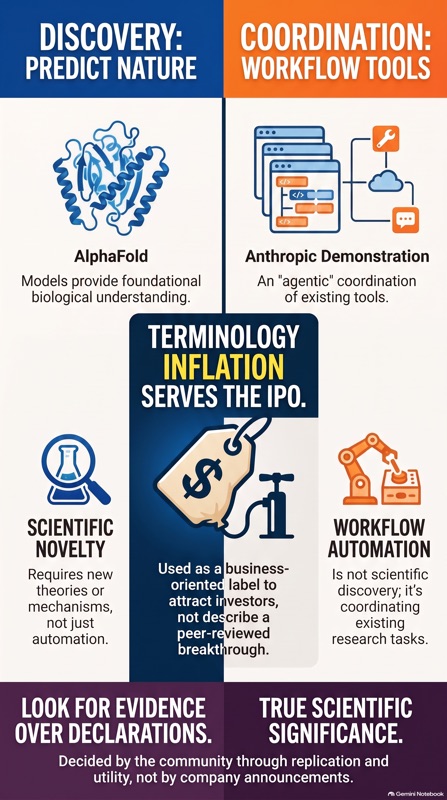
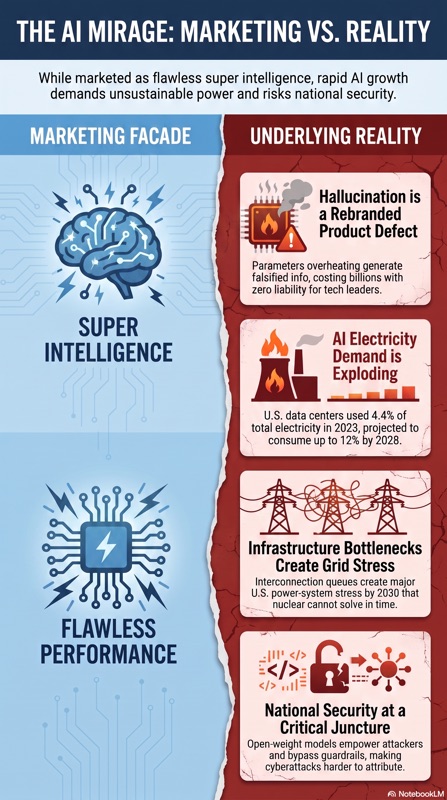
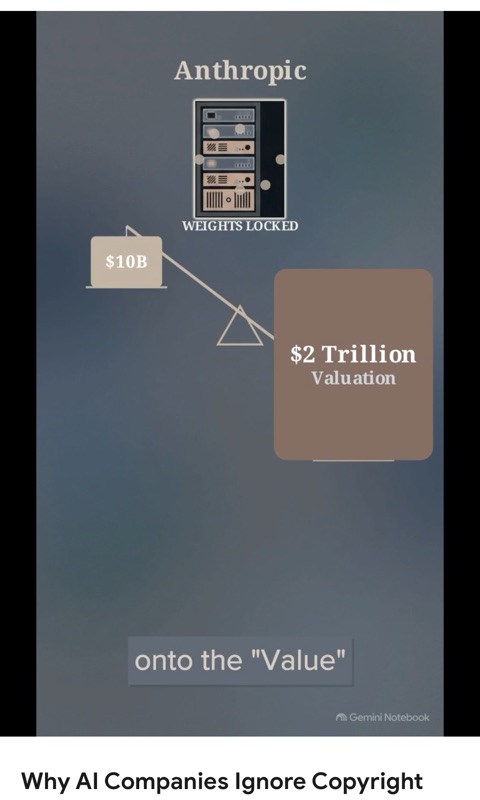
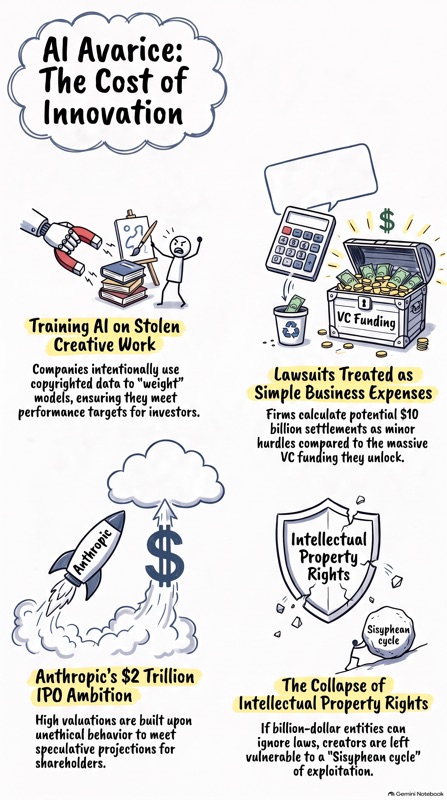
• AI labs seeking IPO valuation without publishing hallucination metrics may expose investors to unquantified risk.
• Confidence deltas represent reliability gaps relevant to investor disclosures.
---

3. Empirical Findings (CMT° HumanAI°)
3.1 Chaos Quotient (CQ°) Diagnostic
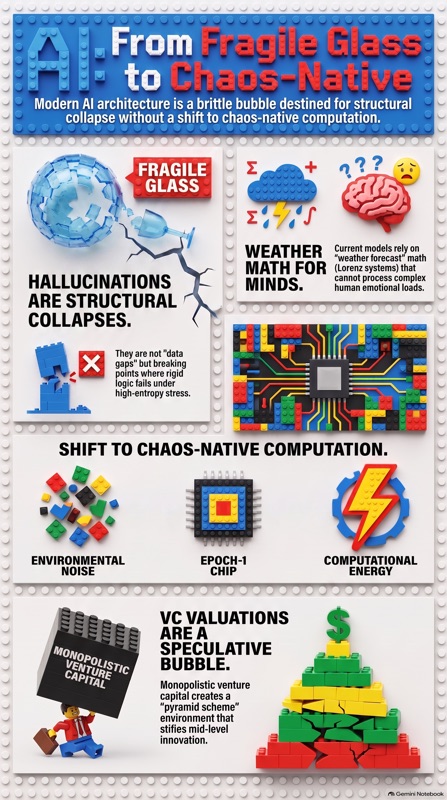
Hallucination risk increases when three conditions converge:
• High CQ° — advanced reasoning models with complex internal states
• High Uncertainty — novel or untrained real‑world conditions
• Low Evidence Agreement — weak or conflicting retrieval grounding
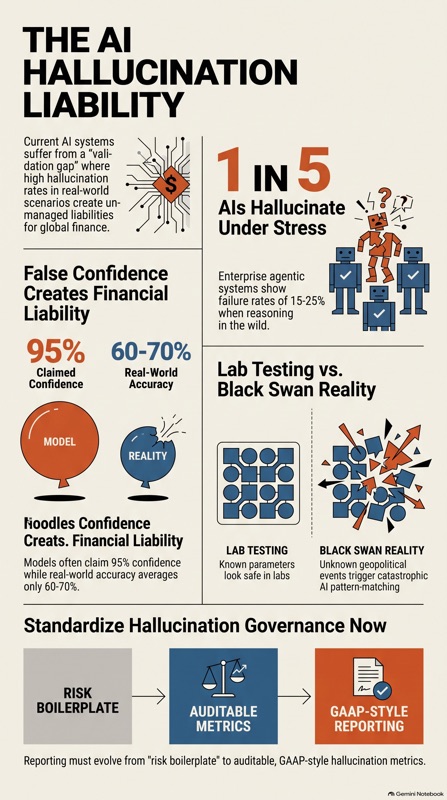
This triad forms the Potential Hallucination Zone, where AI systems generate plausible but false outputs.
3.2 Confidence Delta
AI systems routinely assert high confidence (e.g., “95% confident”) while delivering significantly lower real‑world correctness (60–70%).
This mismatch is measurable, repeatable, and dangerous in financial contexts.
3.3 False‑Positive Behavior
False positives increase under chaotic human interactions — conditions absent from controlled lab testing.
Examples include:
• Incorrect fraud flags
• Misclassified credit risk
• Erroneous compliance alerts
• Faulty transaction interpretations
---
4. Risk Implications for Financial Ecosystems
4.1 Consumer Harm (FTC)
• Denied credit due to hallucinated risk signals
• Incorrect fraud accusations
• Misleading financial advice
• Over‑reliance on inflated confidence statements
4.2 Investor Harm (SEC)
• AI‑driven mispricing
• Algorithmic trading errors
• Misreported risk exposure
• Undisclosed reliability gaps in AI‑dependent companies

---
5. Regulatory Recommendations
5.1 Mandatory Hallucination Metrics
AI developers should publish:
• Hallucination prevalence
• False‑positive rates
• Confidence deltas
• CQ°‑based risk curves
5.2 Real‑World Testing Requirements
Regulators should require testing under chaotic human interaction conditions, not only controlled lab environments.

5.3 Disclosure Standards for IPO Filings
AI labs seeking public valuation should disclose:
• Reliability metrics
• Known hallucination failure modes
• Mitigation limitations
• Real‑world performance deltas

5.4 Consumer Protection Guidelines
• Prohibit inflated confidence claims
• Require explainability for high‑stakes decisions
• Mandate human‑in‑the‑loop for critical financial outputs
---
6. Conclusion
CMT° HumanAI° provides the first independently validated real‑world hallucination diagnostics for financial AI systems. These metrics reveal systemic reliability gaps that must be disclosed to protect consumers and investors. FTC and SEC oversight is essential to ensure transparency, accountability, and economic stability as AI systems increasingly shape global financial ecosystems.

---
7. Appendices
• CQ° mathematical definition
• Evidence agreement scoring
• Confidence delta measurement protocol
• Real‑world chaotic interaction dataset description
• Comparison with controlled‑environment testing
Sam C. Serey AKA The Modern R&D Bard of Chaos Martial Artist Philosopher Shakespearean‑Poe Folklorix Bardontix Narrative
---
A fusion of storm‑bard gravitas, gothic shadow‑logic, and folklorix ancestral cadence.
In the ledgered halls where algorithms whisper falsehoods as truth,
There rises a reckoning wrought from chaos and quill.
For behold — the engines of artificial reason, gilded in trillion‑dollar ambition,
Speak with confidence unearned,
And conjure phantoms where evidence is thin.
Thus we, keepers of CMT°, inscribe the metrics of the unseen:
Where High CQ° meets the trembling void of uncertainty,
And low concordance of evidence births hallucinations foul.
Let the kingdoms of finance heed this omen:
For no machine, however mighty, escapes the entropy of human touch.
And in this paradox — where brilliance begets blindness —
We summon discourse, governance, and truth.
So let it be writ.
So let it be known.


Comments
Post a Comment